
Property marketing in 2026 looks dramatically different from even a few years ago. Buyers expect more than static floor plans and a handful of photographs. They want immersive, interactive experiences that let them explore a development before a single wall has been built. For developers, architects and housebuilders, staying ahead of the latest 3D visualisation trends is no longer optional. It is the difference between a scheme that sells quickly and one that lingers on the market.
At iCreate, we work at the cutting edge of visualisation services for the UK property sector. We have seen first-hand how new technology is reshaping the way developments are presented, marketed and sold. From AI-enhanced rendering workflows to real-time virtual reality tours, the tools available to property professionals in 2026 are more powerful, and more accessible, than ever.
In this guide, we walk through the most significant 3D visualisation trends driving property marketing this year. Whether you are launching an off-plan residential scheme, marketing a commercial development or pitching to investors, these are the techniques and technologies that will give your project a competitive edge.
Artificial intelligence is having a transformative effect on the CGI industry, and 2026 is the year it has truly become embedded in professional production pipelines. AI-powered tools now assist with texture generation, lighting optimisation, denoising and even initial scene composition, allowing studios to produce photorealistic renders faster without sacrificing quality. For property developers, this translates directly into shorter turnaround times and greater flexibility when marketing deadlines are tight.
At iCreate, we use AI as a tool to enhance our artists’ work, not replace it. Every image we produce is still crafted and quality-checked by our experienced team, but AI-assisted workflows mean we can iterate more quickly, explore more design options and deliver final visuals sooner. This is particularly valuable for developers who need to respond to planning feedback or market changes at pace.
The important distinction is between AI as a gimmick and AI as a genuine production enhancement. Fully AI-generated property images still lack the accuracy and reliability that professional 3D rendering services demand. Proportions can drift, materials may look unconvincing, and architectural details are often lost. The winning approach in 2026 combines human expertise with AI efficiency, and that is exactly how our team operates.
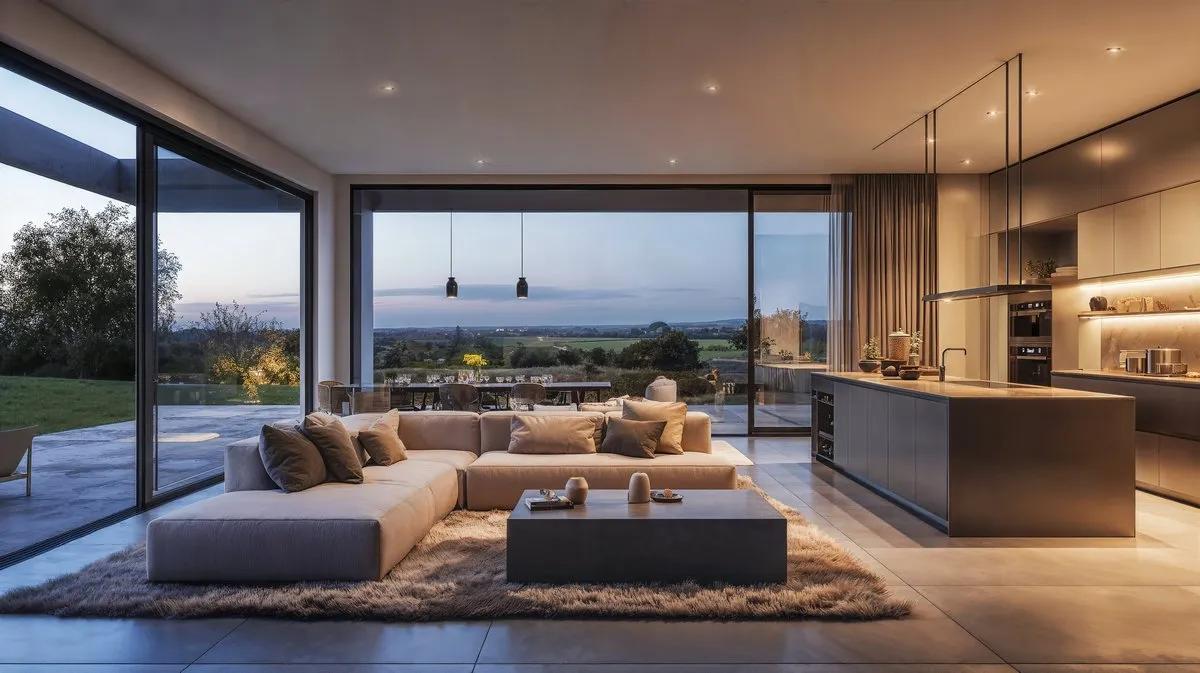
Start by defining what your development needs most, whether that is off-plan sales support, planning submission visuals, investor presentations or a full digital marketing suite. The right visualisation strategy flows from a clear understanding of your audience and objectives.
Not every project needs every trend. A boutique development might benefit most from VR tours and an interactive configurator, while a large-scale masterplan calls for drone-integrated aerial CGI and animated flythroughs. We help you select the combination that delivers the best return.
Modern property marketing works across websites, social media, sales suites, portals and print. Your visualisation assets should be produced in formats that work seamlessly across all of these channels, maximising the value of every image, tour and animation.

These visualisation trends are not reserved for large-scale developers with unlimited budgets. The technology has become more accessible and more affordable in 2026, meaning projects of every size can benefit from the latest techniques. The key is choosing the right combination of tools for your specific development and target audience.
At iCreate, we help property professionals across the UK select and implement the visualisation techniques that deliver the strongest return. Whether you need a full immersive VR experience, a set of AI-enhanced CGI stills or a drone-integrated aerial animation, we tailor our approach to your project, your audience and your budget.
Virtual reality has moved from a novelty to a mainstream sales tool in the UK property market. In 2026, VR tours are a standard expectation for any serious off-plan development, allowing buyers to walk through a home that does not yet exist as though they were standing inside it. The technology has matured significantly. Headsets are lighter, visuals are sharper, and the experience is intuitive enough for any buyer to use without guidance.
For developers, VR tours solve one of the biggest challenges in off-plan marketing: helping buyers commit to a purchase when there is nothing physical to view. A well-produced virtual tour lets a potential purchaser explore room layouts, check sightlines from windows, assess ceiling heights and get a genuine feel for the space. This builds the confidence that drives reservation decisions. Our virtual property tours are designed specifically for this purpose, combining architectural accuracy with the immersive quality that converts browsers into buyers.
The trend in 2026 is towards hybrid experiences that combine VR with web-based 3D walkthroughs. Buyers who cannot visit a sales suite in person can still explore a development interactively from their laptop or smartphone, while those who visit in person get the full VR experience. This flexibility is critical for developments targeting international investors or buyers relocating from other parts of the UK.
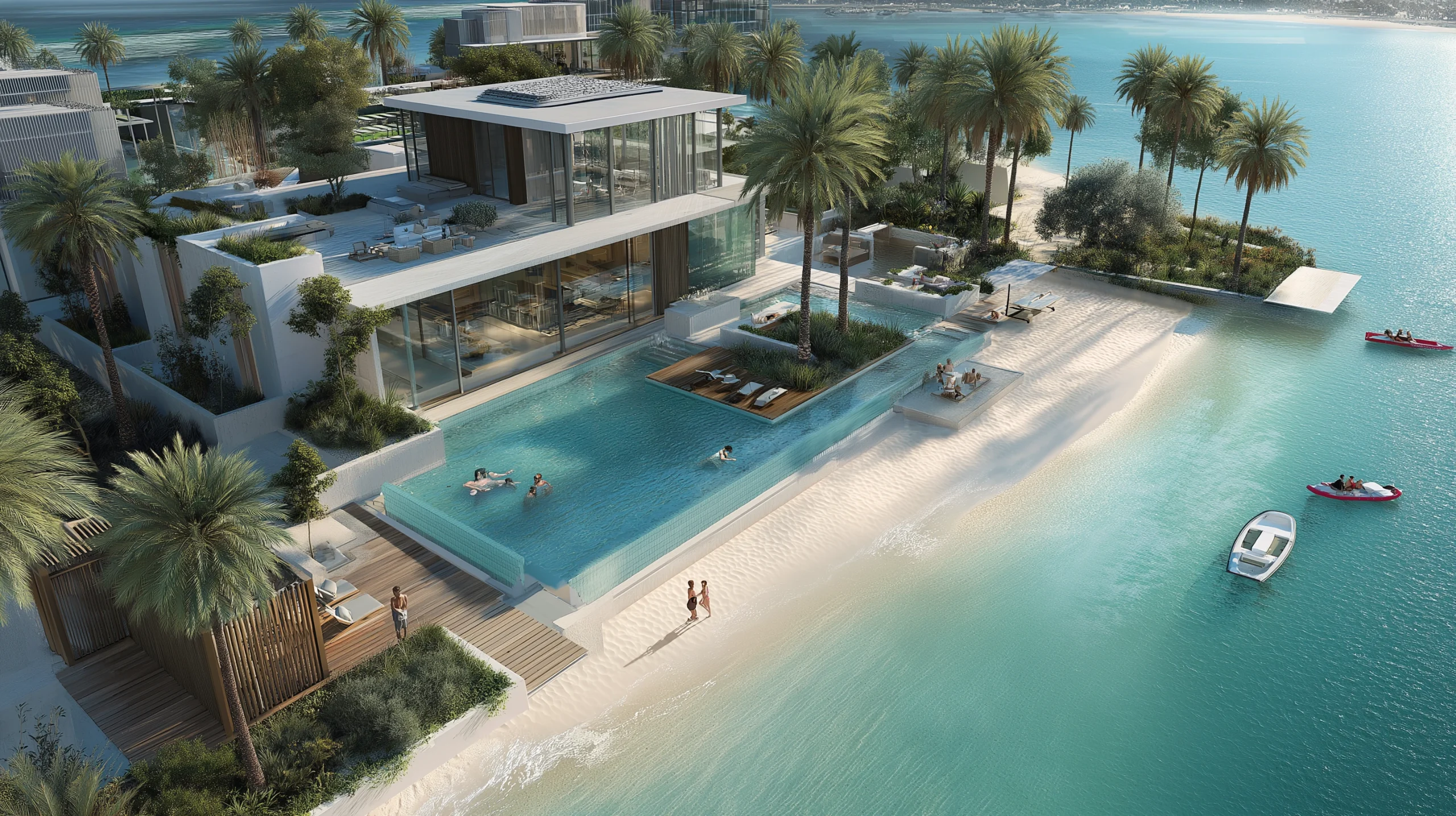
Aerial visualisation has become one of the most impactful tools in property marketing, and the integration of drone photography with CGI is a defining trend of 2026. By capturing real drone footage of a development site and compositing photorealistic CGI of the proposed buildings into the scene, studios can produce aerial views and flythrough animations that are strikingly realistic and grounded in the actual landscape.
This technique is especially powerful for large-scale residential schemes, mixed-use developments and masterplan projects where context is everything. Planners, investors and buyers all want to understand how a development relates to its surroundings, where the nearest transport links are, how the buildings sit within the existing streetscape, and what the development looks like from above. Drone-integrated CGI answers all of these questions in a single, compelling visual.
At iCreate, our 3D architectural flythroughs combine drone-captured site data with our CGI expertise to produce aerial animations and stills that give viewers a true sense of place. This approach is particularly effective for planning submissions, where demonstrating how a development integrates with its environment can be the deciding factor in securing approval.
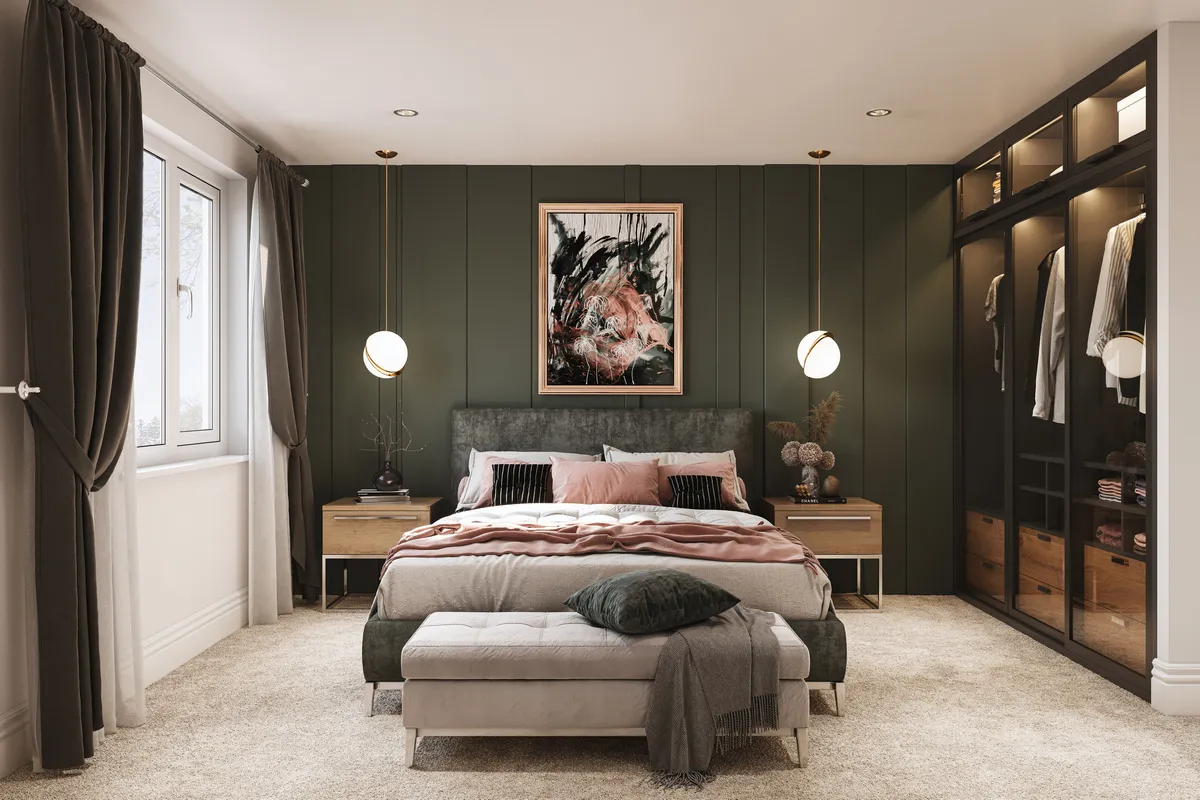
One of the most exciting developments in property marketing technology is the rise of real-time interactive configurators. These tools allow buyers to customise a property, changing kitchen finishes, flooring, wall colours and fixtures, and see the results instantly in a photorealistic 3D environment. In 2026, configurators have moved beyond luxury developments and are now being adopted across the wider new-build market as a way to differentiate schemes and increase buyer engagement.
For developers offering specification choices, interactive configurators eliminate the guesswork that traditionally makes buyers hesitant. Instead of choosing a kitchen worktop from a small sample swatch, a buyer can see that worktop rendered in their actual kitchen, alongside their chosen cabinets, flooring and splashback. This level of personalisation builds emotional investment in the property and significantly reduces the likelihood of post-purchase regret or specification disputes.
Artificial intelligence is accelerating CGI production without compromising quality. AI-assisted workflows deliver faster turnarounds, more design iterations and greater flexibility for developers working to tight marketing deadlines.
VR tours let buyers walk through a property before it is built. The technology has matured significantly in 2026, offering sharper visuals, lighter headsets and web-based alternatives that work on any device.
Combining real drone footage with photorealistic CGI produces aerial views and flythroughs grounded in the actual landscape. Ideal for masterplans, large-scale schemes and planning submissions.
Buyers can now customise kitchens, bathrooms and living spaces in real time, seeing their choices rendered photorealistically. This personalisation builds emotional investment and drives reservations.
Short-form cinematic property animations are dominating social media and sales presentations. High-quality flythrough and walkthrough videos capture attention and communicate a development’s story in seconds.
Real-time 3D engines are making browser-based property experiences more accessible. Buyers can explore developments interactively online without downloading software, lowering the barrier to engagement.
The pace of change in 3D visualisation technology shows no sign of slowing. Developers and architects who adopt the latest trends early gain a clear competitive advantage. Their marketing materials stand out, their sales processes are smoother and their projects reach the right audiences more effectively. In a crowded UK property market, that edge matters.
What separates a genuinely effective visualisation strategy from a collection of impressive-looking images is the expertise behind them. Technology is only as good as the team using it. At iCreate, we combine over twenty years of experience in property marketing with a commitment to staying at the forefront of CGI innovation. We do not chase trends for their own sake. We adopt the tools and techniques that deliver measurable results for our clients.
If you are planning a development in 2026 and want to ensure your marketing is as strong as it can be, we would welcome the opportunity to discuss your project. From initial concept visuals through to a full immersive marketing suite, our team is ready to help you make the most of every trend on this list.

A: The integration of AI into professional CGI workflows is arguably the most significant trend this year. AI tools are accelerating production, enabling faster iterations and reducing turnaround times without sacrificing the photorealistic quality that property marketing demands. Combined with immersive VR tours and drone-integrated aerials, AI-enhanced CGI represents a step change in what studios can deliver.
A: Yes. The cost of producing VR tours has fallen considerably, and the technology is now accessible for developments of all sizes. Even a single show home rendered as a virtual tour can significantly boost off-plan sales by giving buyers the confidence to commit before construction is complete. The return on investment is particularly strong for developments where physical show homes are not practical.
A: Standard aerial CGI is created entirely in 3D software, with the surrounding environment modelled or approximated. Drone-integrated CGI uses real aerial photography or video of the actual site, with the proposed buildings composited into the footage. This produces a far more realistic and contextually accurate result, which is particularly valuable for planning submissions and investor presentations.
A: No. AI is a powerful tool that enhances the work of skilled CGI artists, but it cannot reliably produce the architectural accuracy, material precision and compositional quality that professional property marketing requires. At iCreate, we use AI to accelerate our workflows and improve efficiency, but every image is crafted and approved by our experienced team.
A: An interactive configurator is a real-time 3D tool that allows buyers to customise elements of a property, such as kitchen finishes, bathroom tiles, flooring and wall colours, and see the results instantly in a photorealistic environment. It is particularly effective for new-build developments offering specification choices, as it helps buyers visualise their selections before committing.
A: Short-form cinematic animations are being used across social media, property portals, sales suites and investor presentations. These videos typically combine exterior flythroughs, interior walkthroughs and contextual aerial views into a compelling narrative that showcases a development in under two minutes. They are especially effective on platforms where video content outperforms static imagery.
A: Costs vary depending on the scope and complexity of your project. A set of AI-enhanced CGI stills may cost less than you expect, while a full immersive marketing suite including VR tours, animations and interactive configurators represents a larger investment. At iCreate, we provide transparent, itemised quotes so you can choose the services that fit your budget and marketing objectives.
A: AI-enhanced workflows have reduced our typical turnaround times. A set of exterior CGI stills can be delivered within one to two weeks from receipt of plans and brief. VR tours and animations typically take three to six weeks depending on scope. We offer expedited timelines for developers working to tight launch or planning deadlines. Speak to our team for a tailored schedule.
Sing up for our newsletter

